Oncology & Critical Care
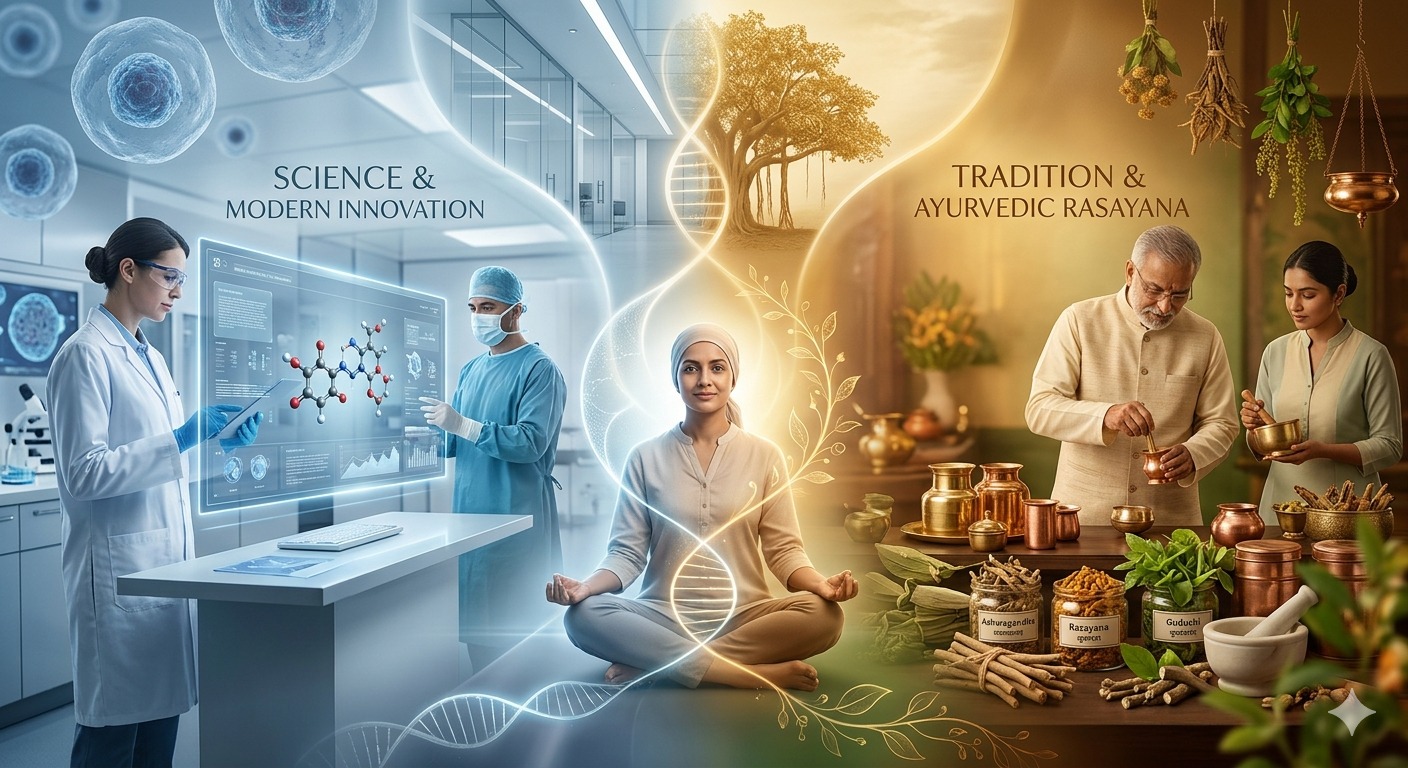
Ancient Wisdom. Modern Compassion.
Treating the Root, Not Just the Symptom.
Addressing cancer at its origin — through classical Ayurveda Rasayan Therapy [ART] may serve as a safe & effective treatment option for chemo-intolerance high-grade stage cancer patients for increasing survival and tumor regression.
In the case of palliative care and deep psycho-spiritual support needed, we provide evidence-based Ayurvedic protocols to restoring dignity and quality of life at every stage.
The Ayurvedic Perspective
In classical texts of Ayurveda, CANCER is often referred to as — Arbud / Granthi (localized inflammation or abnormal growth).
These GROWTH happened because of deep imbalances in the three DOSHAS (fundamental bio-energies), weakening of the AGNI (digestive fire), and formation of AMA (toxins).
Accumulation of AMA (toxins) in SROTAS (channels) disrupt the normal formation of DHATU (tissues).
Impaired Agni (digestive fire) leads to the accumulation of Ama — unprocessed metabolic waste. Over time, Ama lodges in dhatus (tissues), disrupts cell cycle signalling, and creates an environment where abnormal cell growth thrives. Restoring Agni is the foundational step in any Ayurvedic cancer protocol.
Cancer in Ayurveda correlates with Tridosha Dushti — imbalanced Vata, Pitta, and Kapha simultaneously affecting the Raktavaha Srotas (circulatory system) and Mamsa Dhatu (muscular system). Chronic dosha aggravation, if untreated, penetrates deeper tissue layers producing Arbuda (tumour).
Prolonged exposure to Viruddha Ahara (incompatible foods), chemical carcinogens, pesticides, and polluted environments is classified under Nidana Sevana (cause or etiological factors). These exogenous factors accelerate dosha vitiation, deplete Ojas (immune vitality), and weaken the body's natural surveillance against abnormal cell proliferation.
Prajnaparadha — the "intellectual transgression" or repeated choices against one's own nature — is considered a primary root in Ayurveda. Chronic emotional suppression, unresolved grief, and persistent anxiety trigger neuro-endocrine imbalances that directly suppress immune function and elevate inflammatory pathways.
Irregular sleep, sedentary habits, excessive night work, and disregard for seasonal rhythms (Ritucharya) disturb the body's biological clock. Ayurveda identifies this as a precursor to Srotas Avarodha — channel obstruction — creating stagnation in micro-circulation that over years manifests as neoplastic transformation.
Beeja Dosha refers to congenital imbalances transmitted from parents — equivalent to hereditary predisposition in modern oncology. Ayurveda acknowledges genetic susceptibility while emphasising that epigenetic lifestyle choices, diet, and Rasayana therapies can profoundly modify their expression and reduce cancer risk.
"Ayurveda does not merely treat the disease — it identifies the terrain in which disease grew and transforms that terrain into one where healing is the only possible outcome.
Ayurvedic Treatment Framework
Our ayurvedic model runs alongside conventional oncology — and in resistance cases act as a solely treatment. Each pillar is selected based on the patient's cancer type, stage, constitution (Prakriti), and treatment phase.
It helps to restore the strength of tissues (Dhatus) & nourish the body at a cellular level.
(Restoration of Normal Function)
Targeted herbal formulations + Rasayana immunomodulators (Ashwagandha, Guduchi, Tulsi) to rebuild Ojas and counter treatment toxicity. It helps to restore the strength of tissues (Dhatus) & nourish the body at a cellular level.
(Disease Cure)
Panchakarma detoxification — Virechana, Basti, Nasya — to cleanse Ama, open blocked channels, and prepare tissue for healing.
(Spiritual Approach)
Psycho-spiritual counselling, Pranayama, Yoga Nidra, and family guidance — addressing mental distress alongside the physical and inner peace.
(Health Maintenance)
Eliminating the root causes — expunging, cleansing, purifying, eliminating. Dietary corrections, removal of chemical exposures, and stress pattern identification.
It's a Direct treatment aimed at eliminating the disease itself.
Our Practice
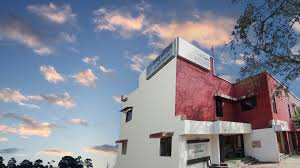
Our clinical presence spans four leading institutions — each dedicated to integrative Ayurvedic cancer and palliative care.
Our Practitioner
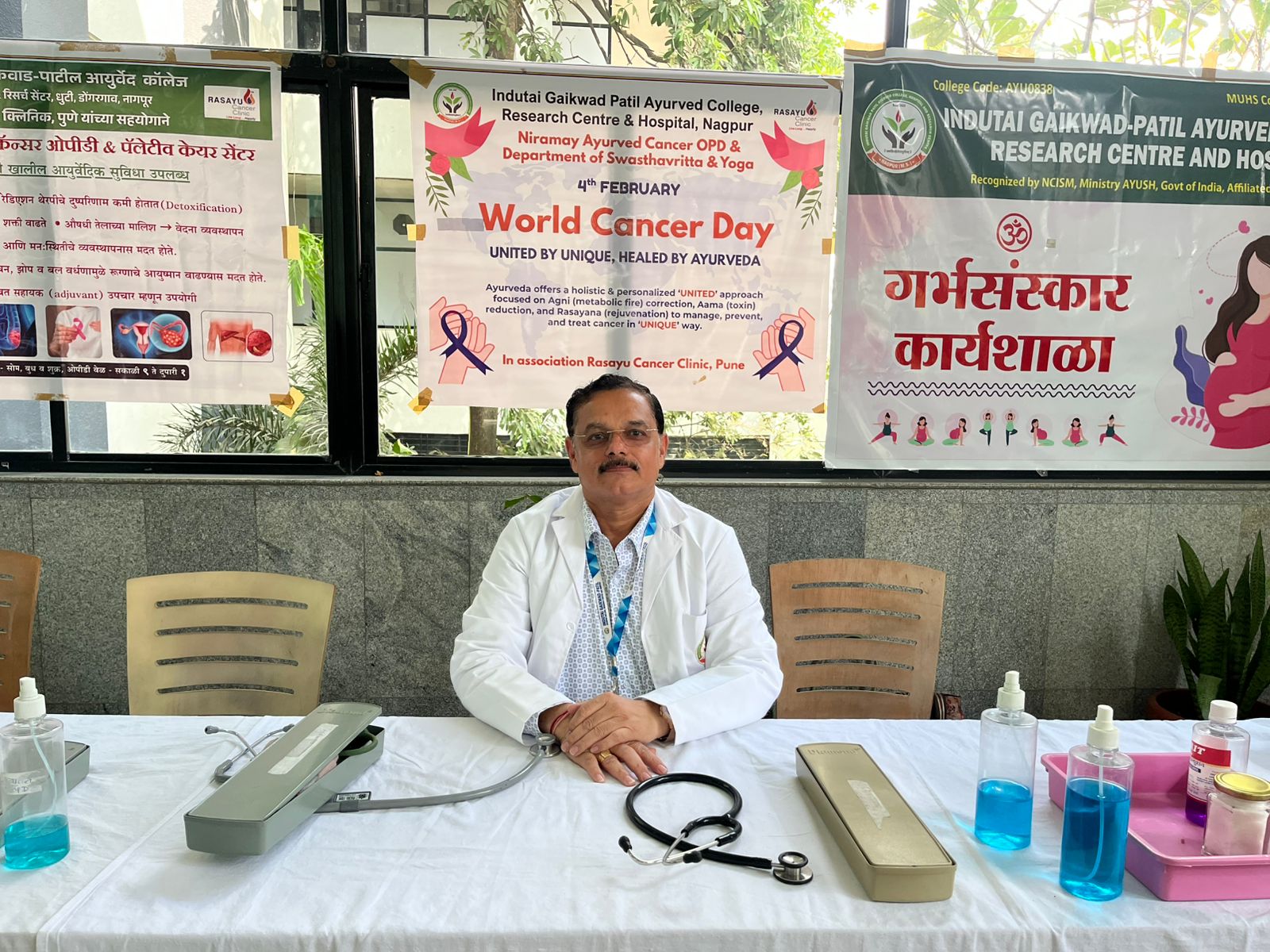
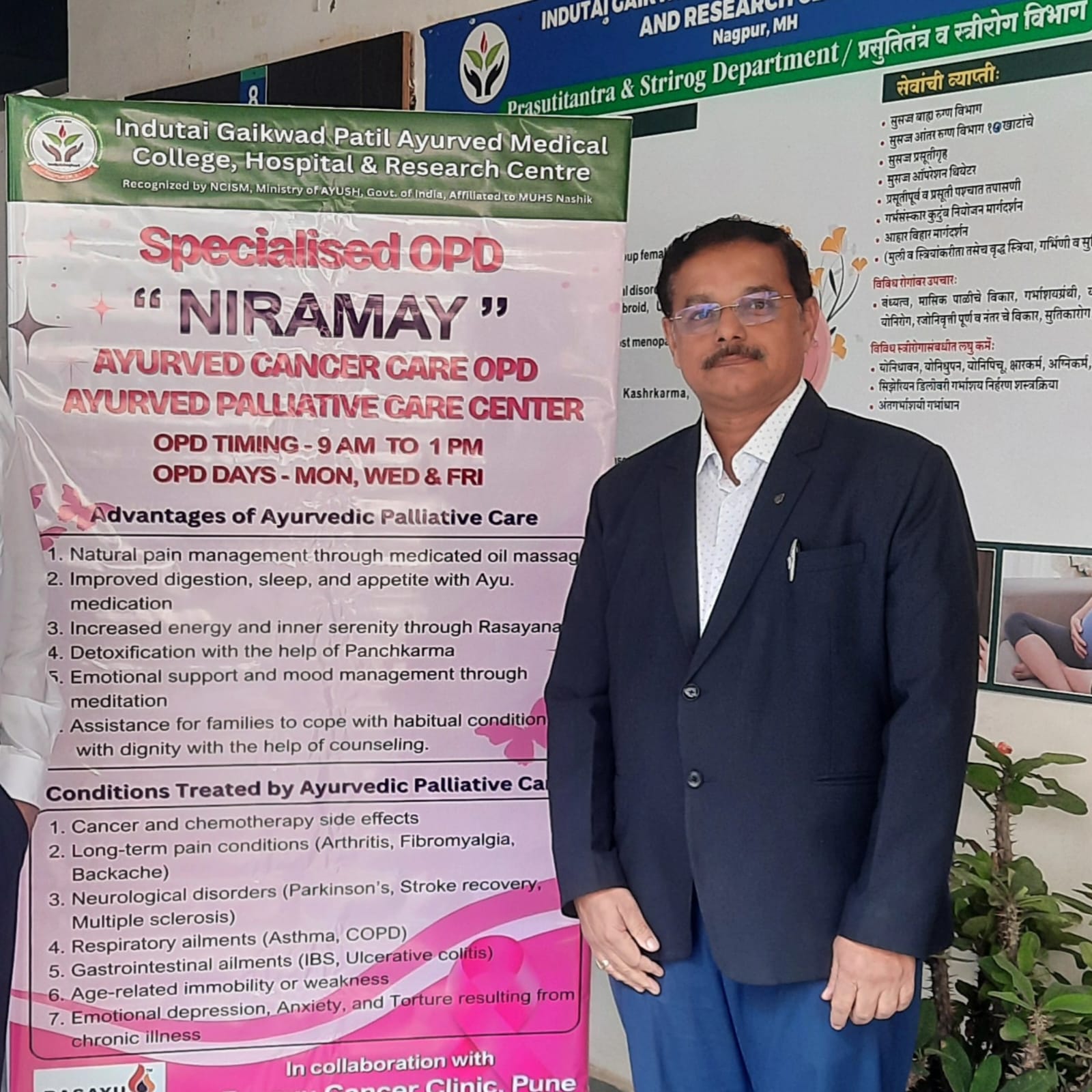
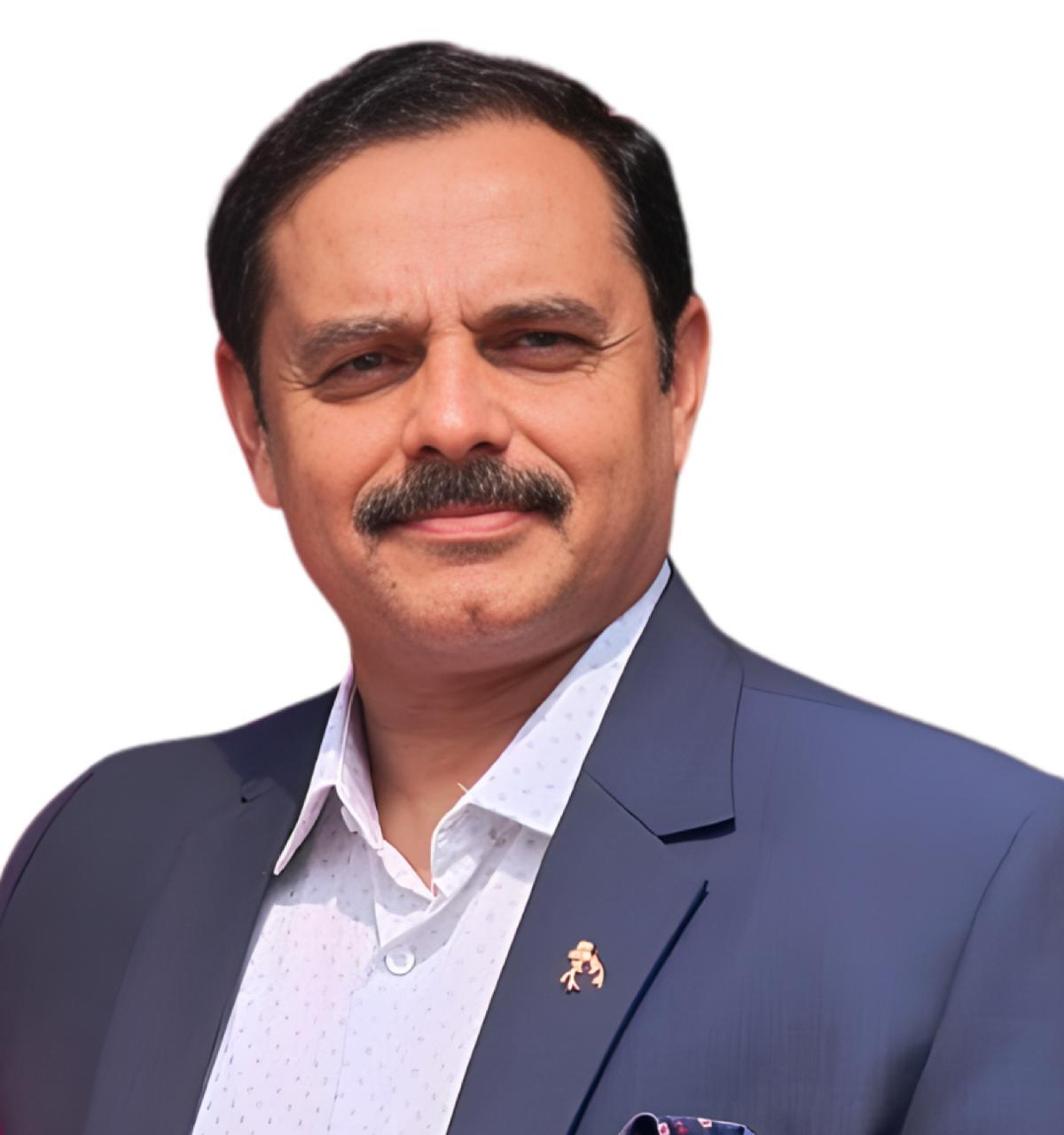
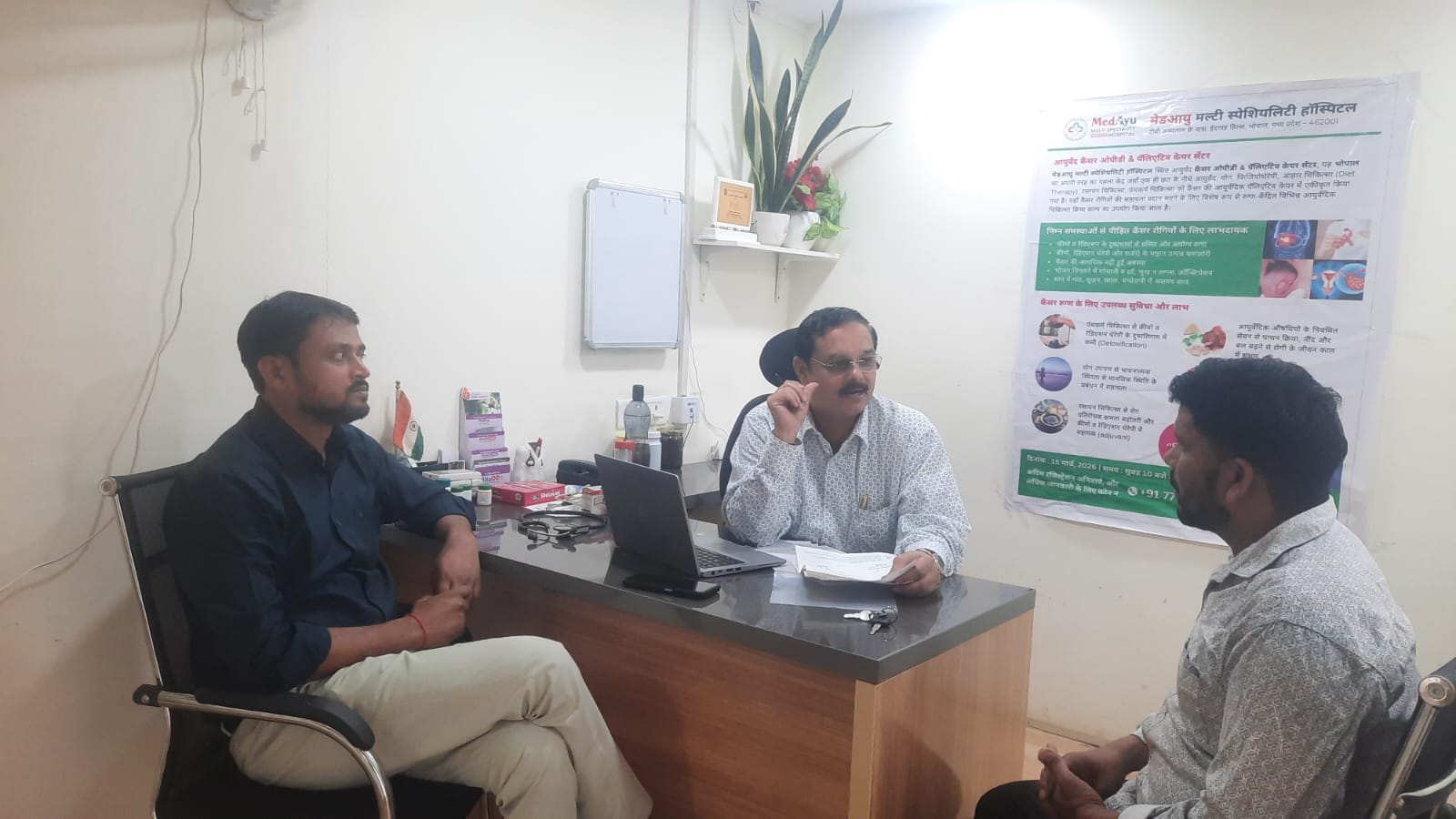
Our practice is led by Dr. Ashish Kate, an M.D.-qualified Ayurvedic oncologist with 29 years of clinical experience who blends the depth of traditional Shastra with the rigor of evidence-based therapy. Clinical activities include Rasayana Therapy for Cancer(Ayurvedic Immunotherapy), controlling cancer symptoms, reducing the side effects of conventional treatment, providing psycho-spiritual support, Panchakarma for cancer patients & treatment of all Cronic Disease. He is an Associate Member of the Rasayu Cancer Clinic, Pune. He offers consultations at Nagpur's MedAyu Hospital. At IGPACRC&H, Dhuti, Nagpur, he operates a free consultation OPD for Cancer & Cronic Disease.
About the Practice"Ayurveda does not merely treat the disease — it restores the dignity of the person who carries it.— Aayu Cancer Care, Nagpur